


Table of Contents
Introduction: Earning Yield on Digital Assets
Understanding Lending Pools
Understanding Staking
Centralized Exchange Options
Ethereum Liquid Staking
Restaking & EigenLayer
Solana Staking Ecosystem
Bitcoin Staking with Babylon
Hyperliquid Ecosystem: Staking & Lending
Aave: The Premier DeFi Lending Protocol
Stablecoin Yields & Lending Strategies
Institutional Staking & Lending Providers
Individual vs Institutional: Key Differences
Risk Considerations
Multi-Asset Portfolio Yield Strategies
1. Introduction: Earning Yield on Digital Assets
With the CLARITY Act expected to pass in early 2026, proposed staking tax relief in the PARITY Act, and the SEC’s recent clarity on proof-of-stake activities, now is an opportune time to understand the landscape of crypto yield generation. The regulatory environment is becoming increasingly favorable for staking and DeFi participation, making it essential for both individual and institutional investors to understand these opportunities.
Over $80 billion is currently earning passive yield across staking and lending protocols. Whether you’re targeting conservative 3-5% returns or pushing for 15% with more aggressive strategies, this guide covers the full spectrum — with specific approaches for both individual investors and institutions across Ethereum, Solana, Bitcoin (through Babylon), and Hyperliquid.
What you’ll learn:
How to earn 5.59% on stablecoins with no lockups (sGHO)
Where to find 8-10% stablecoin yields on different platforms
How institutions can access 15% yields through Liminal and Figment
The difference between lending, staking, and delta-neutral strategies
Ready-to-use portfolio allocations from conservative (4-6%) to aggressive (10-15%)
Let’s start with the two fundamental yield sources: lending and staking.
Lending vs Staking: Quick Comparison
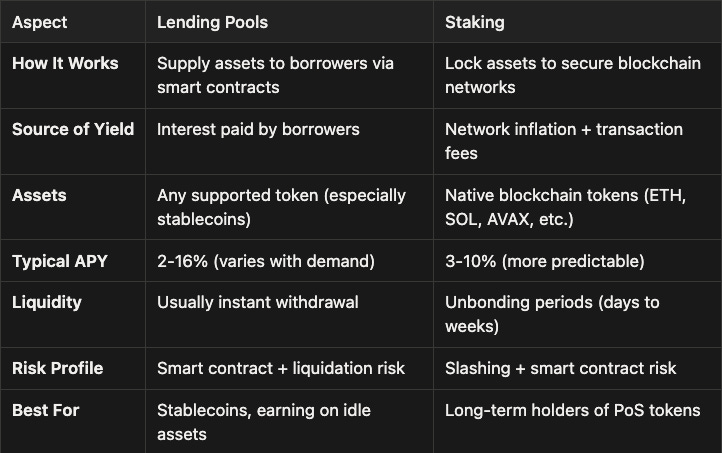
Why Both Matter
Lending Pools are essential for:
Earning yield on stablecoins (USDC, USDT, DAI)
Generating returns without price exposure
Providing liquidity to the DeFi ecosystem
Accessing leverage through borrowing
Staking is essential for:
Securing proof-of-stake blockchains
Earning native token rewards
Participating in governance
Long-term accumulation strategies
2. Understanding Lending Pools
What Are Lending Pools?
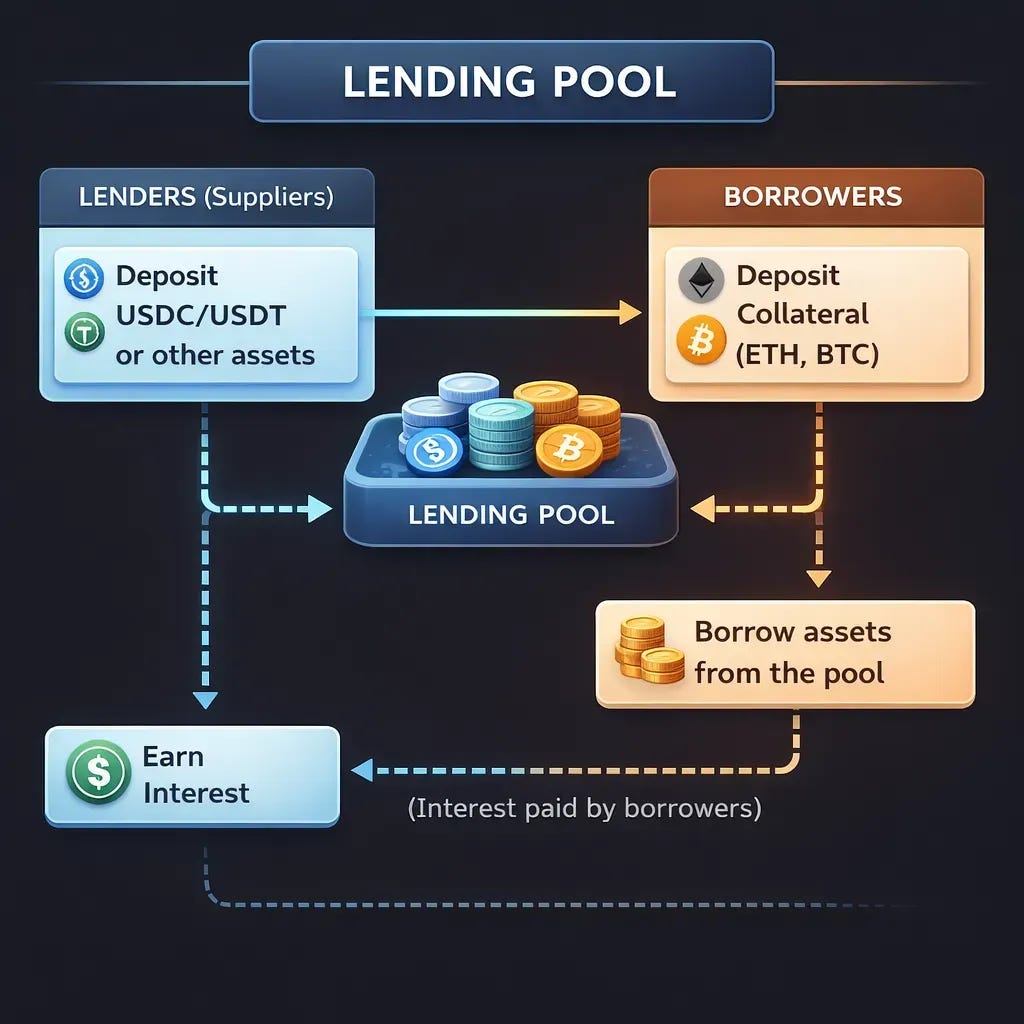
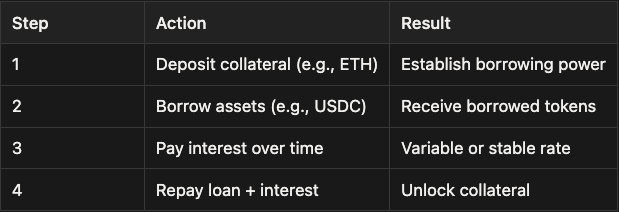
Lending pools are smart contract-based systems that connect lenders (suppliers) with borrowers in a decentralized, permissionless manner. Unlike traditional bank loans, there’s no credit check—borrowers must provide collateral worth more than their loan (overcollateralization).
How Lending Pools Work
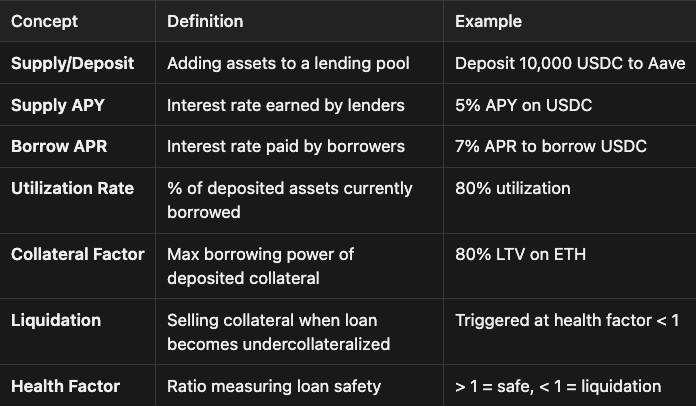
Key Lending Pool Concepts
How Interest Rates Are Determined
Lending pool interest rates are algorithmic—they automatically adjust based on supply and demand:
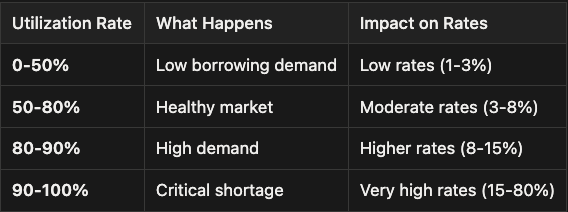
This mechanism ensures:
When demand is high → rates increase → attracts more lenders
When demand is low → rates decrease → attracts more borrowers
Major Lending Pool Protocols
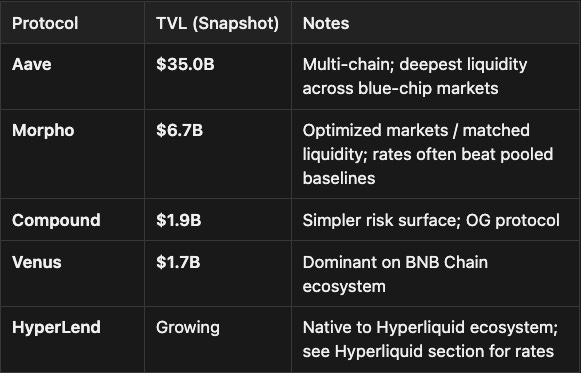
Lending Pool Token Types
When you deposit into lending pools, you typically receive tokens representing your position:
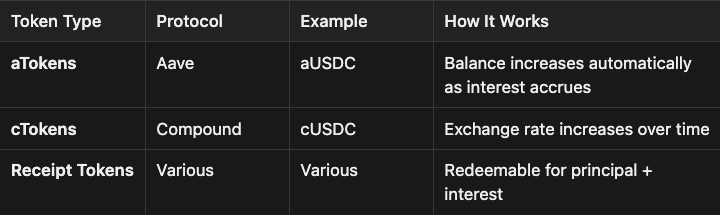
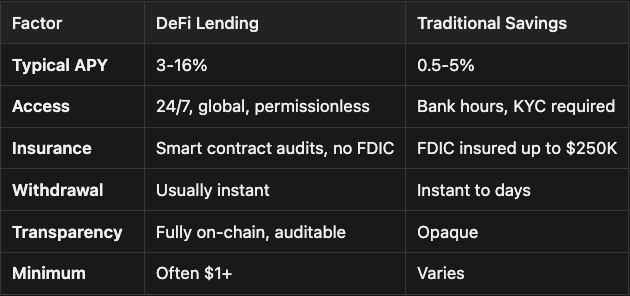
Lending vs Savings Accounts
3. Understanding Staking
What Is Staking?
Staking is the process of locking cryptocurrency to help secure and validate transactions on proof-of-stake (PoS) blockchains. In return for this contribution, stakers receive rewards—typically a combination of newly minted tokens and transaction fees.
How Staking Works
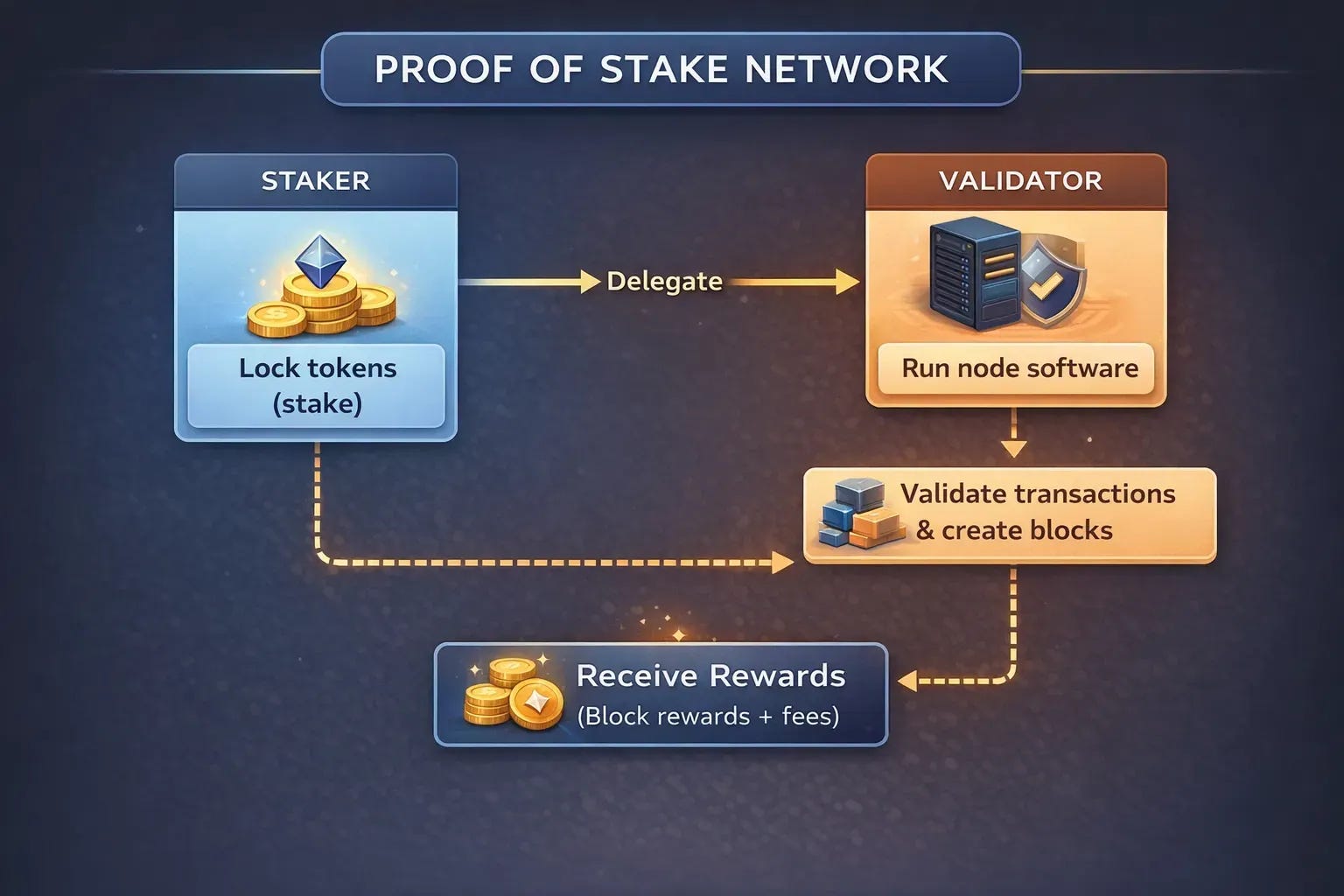
Key Staking Concepts
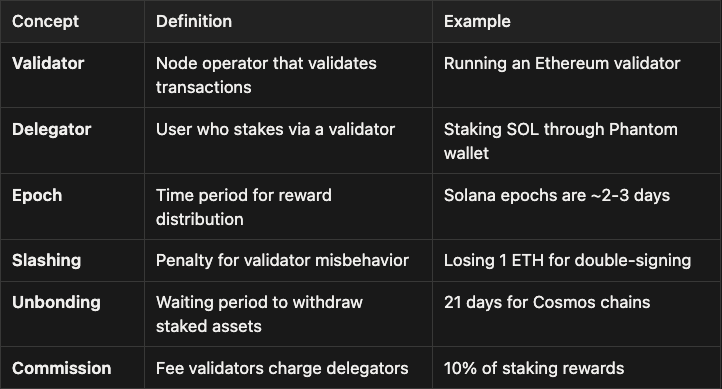
Staking Methods Comparison
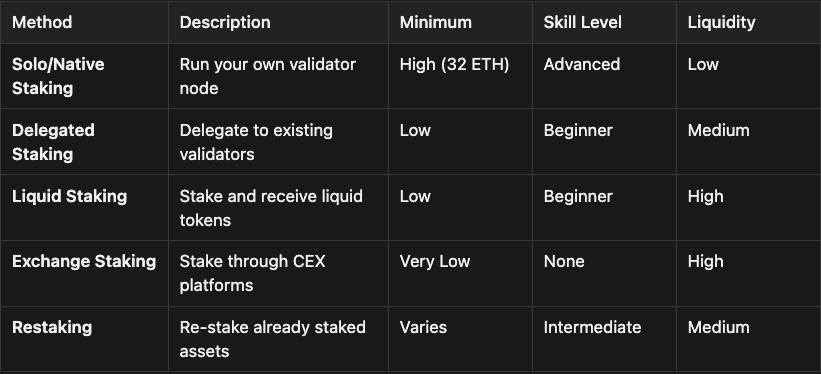
Staking Rewards by Network
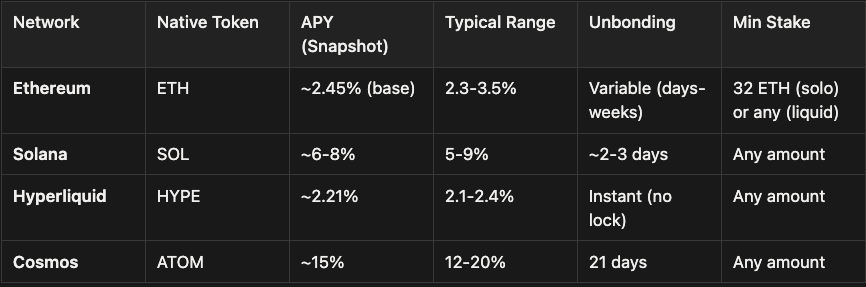
Note: ETH base staking APY is ~2.45%; higher yields (5%+) require stacked strategies (restaking, LP, incentives).
4. Centralized Exchange Options
CEX platforms offer both staking and lending/earn products with minimal technical requirements.
Exchange Products Comparison
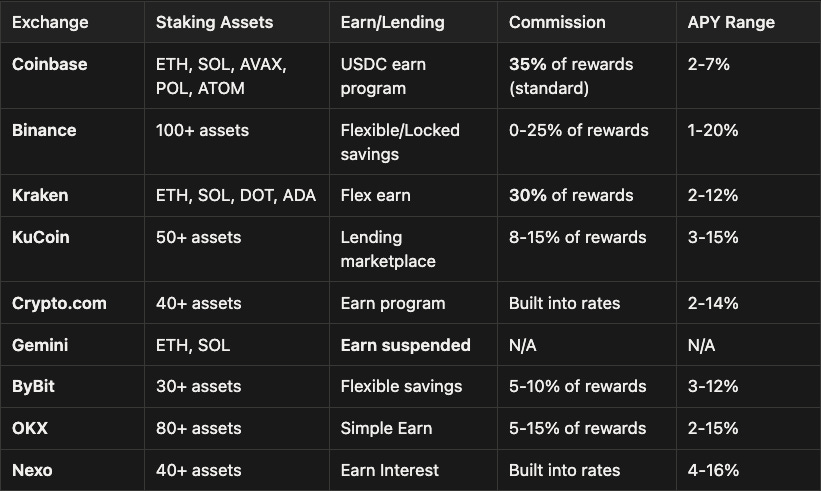
Note: Gemini Earn was suspended Nov 16, 2022; users have received 100% of assets owed. Commission rates vary by asset and account tier.
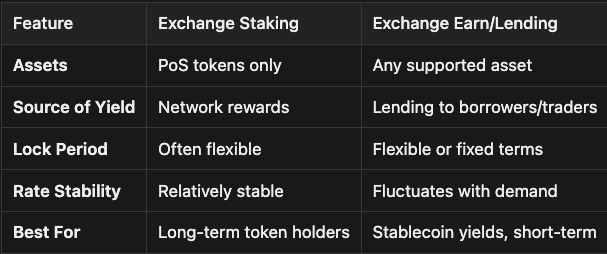
Staking vs Earn Products on Exchanges
5. Ethereum Liquid Staking
Liquid staking combines staking rewards with DeFi liquidity by issuing tradeable tokens representing staked positions.
Liquid Staking Protocols
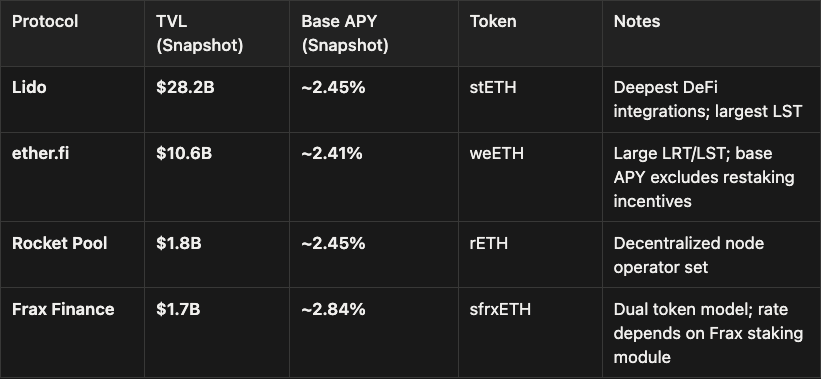
Note: Higher yields (5-20%) typically come from stacked strategies (LP, incentives, leverage), not pure staking.
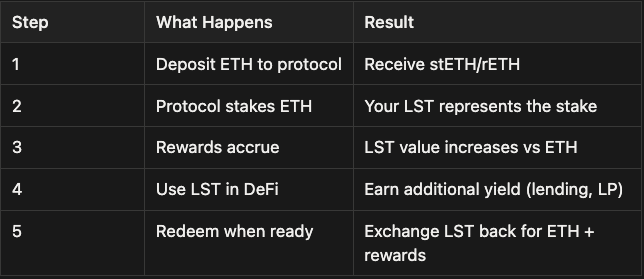
How Liquid Staking Tokens Work
LST DeFi Strategies
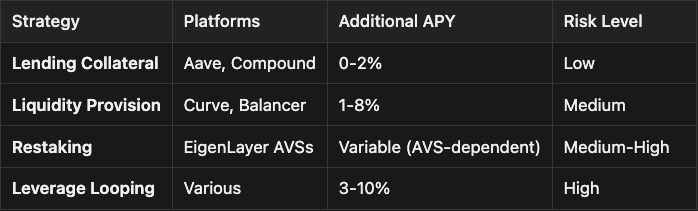
Note: Restaking yields are NOT a single APY—they vary by AVS selection and are often paid in AVS tokens.
6. Restaking & EigenLayer
Restaking allows staked assets to secure additional protocols (AVSs), earning multiple yield layers.
EigenLayer Overview
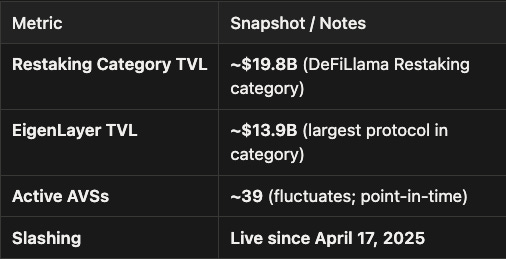
Note: Restaking yields vary by AVS selection and are not a single “APY” — evaluate each AVS’s economics separately.
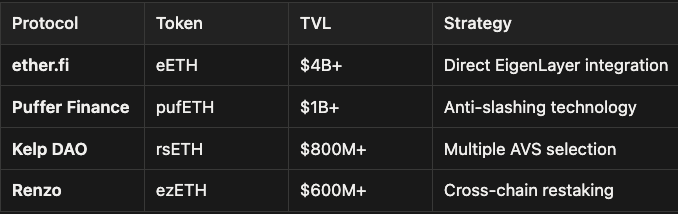
Liquid Restaking Tokens (LRTs)
7. Solana Staking Ecosystem
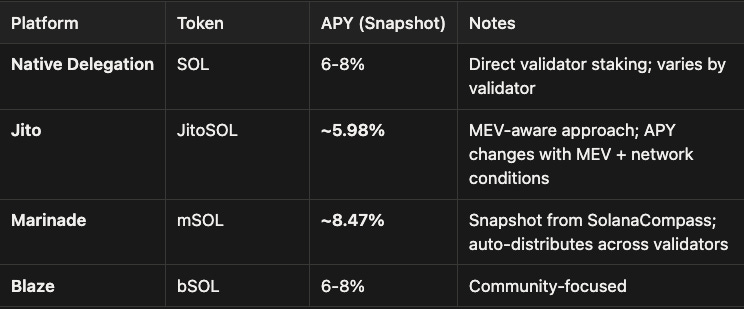
Solana offers fast, low-cost staking with epoch-based rewards.
Solana Staking Options
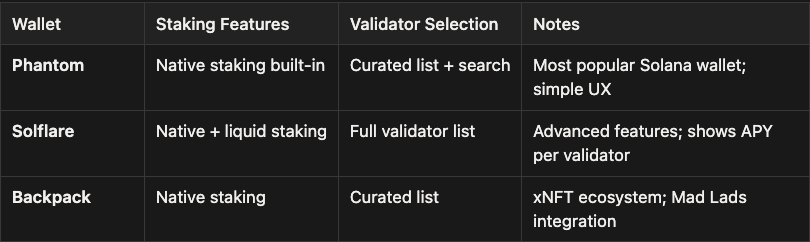
Wallet-Based Staking (Phantom, Solflare, Backpack)
One of the simplest ways to stake SOL is directly through your wallet. Wallets like Phantom, Solflare, and Backpack offer built-in native staking with just a few clicks.
How Wallet Staking Works
Open your wallet and navigate to the staking section
Choose a validator from the curated list (or search for a specific one)
Enter the amount of SOL to stake
Confirm the transaction (minimal gas fee)
Start earning rewards after the current epoch ends (~2-3 days)
Wallet Staking Comparison
Advantages of Wallet Staking
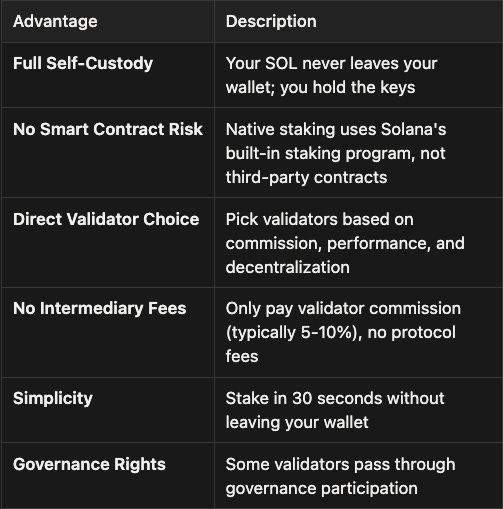
When to Use Wallet Staking vs Liquid Staking
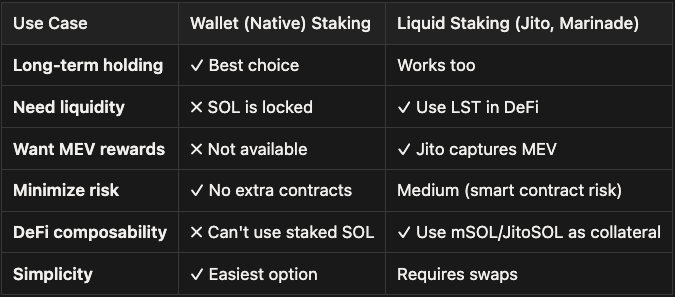
Phantom Staking Step-by-Step
Open Phantom → Click on your SOL balance
Select “Start earning SOL” or go to the staking tab
Choose a validator — Phantom shows commission rates and stake amounts
Enter amount — Leave some SOL unstaked for transaction fees (~0.05 SOL)
Confirm — Transaction costs ~0.000005 SOL
Wait one epoch (~2-3 days) for rewards to start accruing
Rewards auto-compound — No action needed; rewards are added to your stake
Tip: Choose validators with <10% commission, high uptime (>99%), and moderate stake to support decentralization.
8. Bitcoin Staking with Babylon
Babylon enables trustless Bitcoin staking without bridges or wrapping.
Babylon Metrics
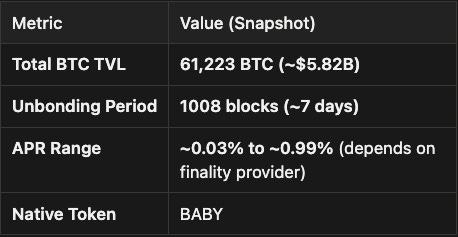
Note: Babylon APR varies significantly by finality provider and network conditions.
9. Hyperliquid Ecosystem: Staking & Lending
Hyperliquid has emerged as a dominant decentralized exchange with a comprehensive ecosystem for both staking AND lending.
Hyperliquid Overview
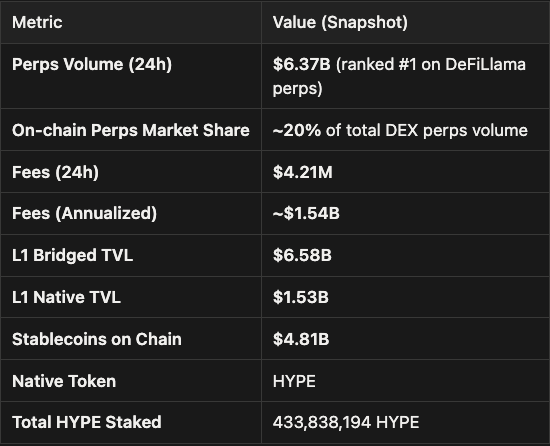
HYPE Staking
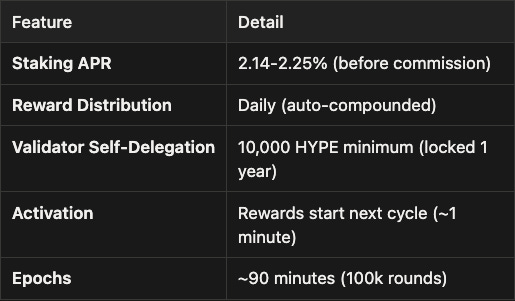
HYPE staking on Hyperliquid is delegated proof-of-stake where stakers delegate to validators who produce blocks and receive rewards proportional to their total delegated stake.
HYPE Staking Mechanics
Top Validators by Performance
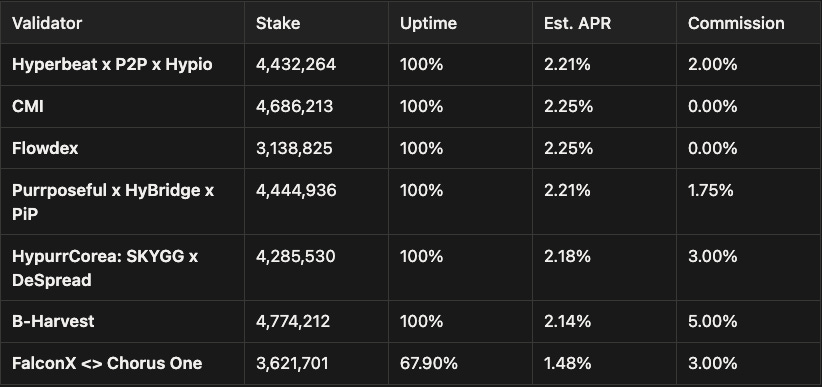
Key Consideration: Stakers only receive rewards when validators successfully participate in consensus. Always delegate to reputable validators with high uptime (100%).
Hyperbeat: Institutional-Grade Hyperliquid Infrastructure
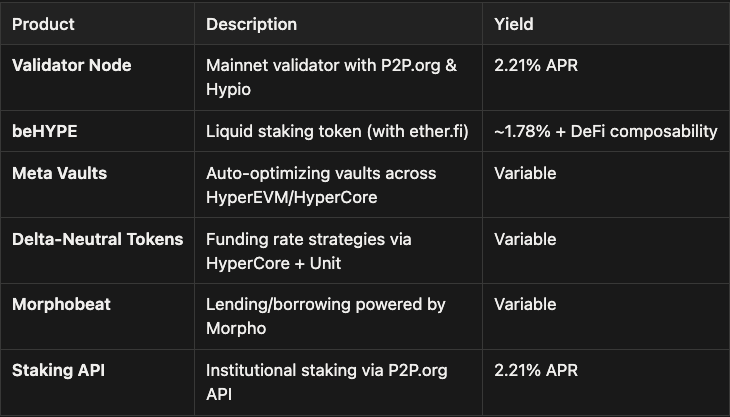
Hyperbeat is a native protocol scaling the Hyperliquid ecosystem, offering staking, liquid staking, and smart vaults in partnership with P2P.org and Hypio.
Hyperbeat Products
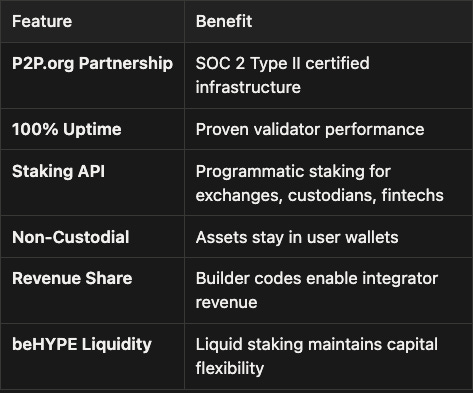
Why Hyperbeat for Institutions
HyperLend: Hyperliquid’s Lending Protocol
HyperLend is the premier lending pool protocol on Hyperliquid EVM, built as the “Aave of Hyperliquid.”
HyperLend Current Rates (Snapshot)
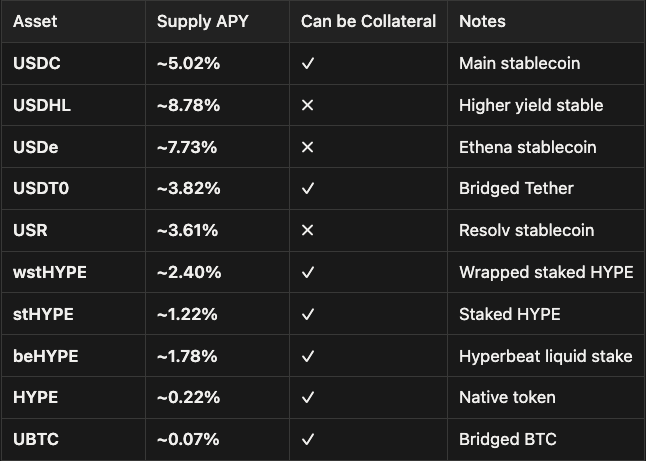
Rates are point-in-time snapshots and fluctuate based on utilization.
HyperLend Pool Types
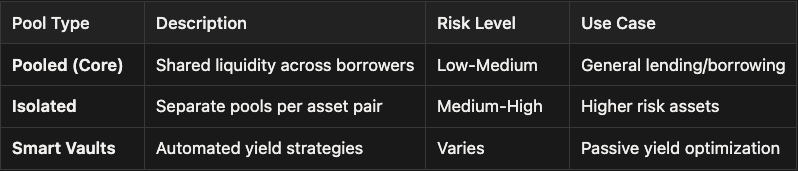
HyperLend Features
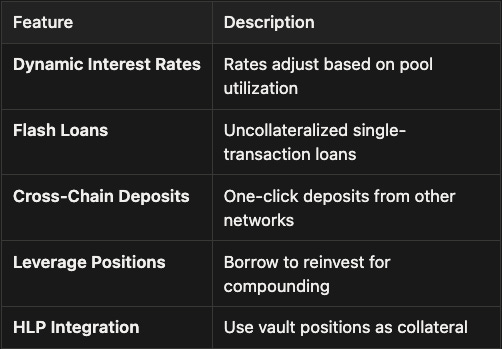
Felix Protocol: Stablecoin Yields
Felix is Hyperliquid’s native CDP protocol powering the feUSD stablecoin ecosystem.
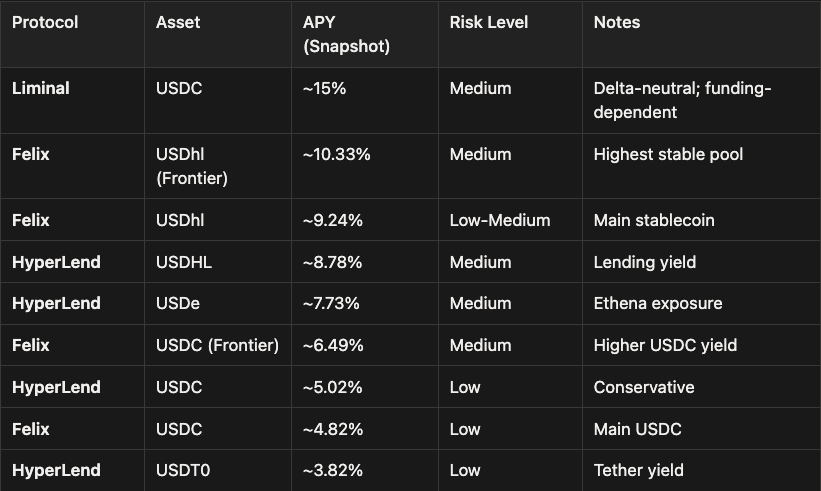
Felix Current Rates (Snapshot)
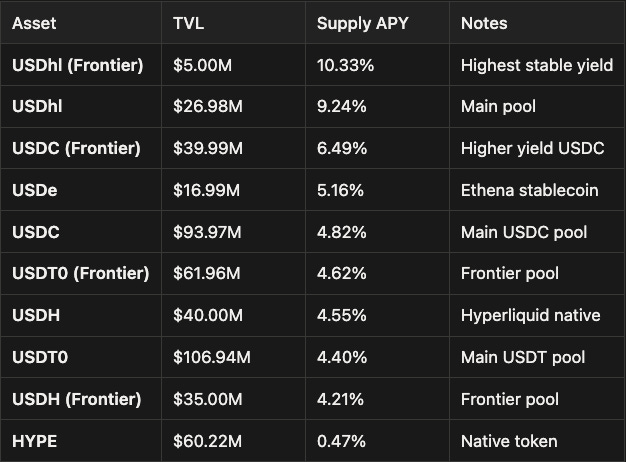
Liminal: Institutional Delta-Neutral Yields
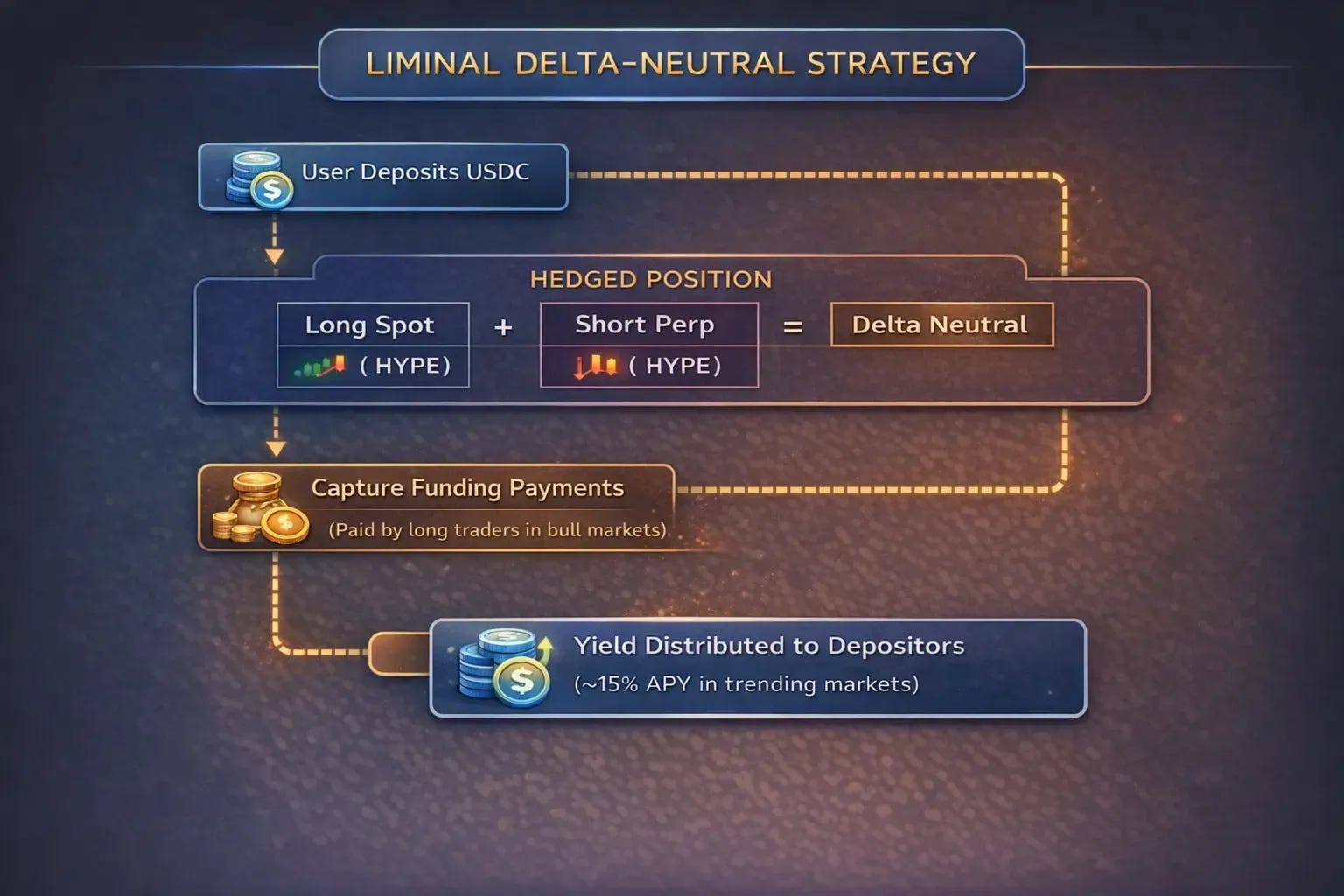
Liminal is the Native Yield Layer of Hyperliquid, turning funding rates into market-neutral yield. This is particularly attractive for institutions seeking stable returns without directional exposure. Even if you are an individual you can access their institutional product and gain all of the advantages with it.
How Liminal Works
Liminal Performance
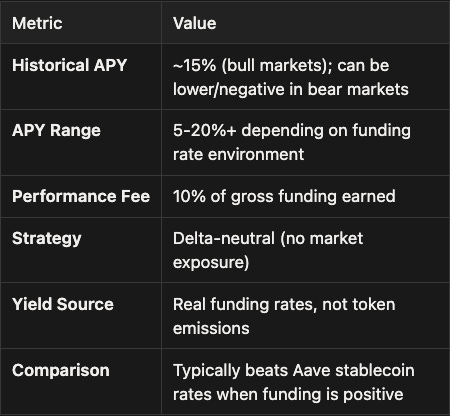
Note: Funding rates can go negative in bear markets, which would reduce or eliminate yield.
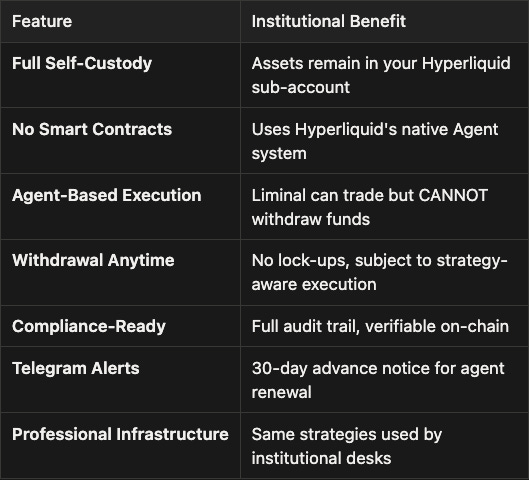
Why Liminal for Institutions
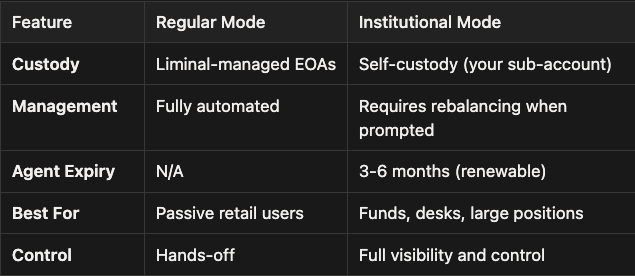
Liminal Institutional vs Regular Mode
Liminal Tokenized Strategies (Coming Soon)
Liminal is launching xTokens (e.g., xHYPE, xETH) - tokenized delta-neutral strategies that can:
Trade across HyperEVM and other EVM chains
Be used as collateral on Aave, Morpho (subject to listings)
Be yield-traded on Pendle-style venues
Provide portable, composable yield exposure
Hyperliquid Ecosystem Summary
Best Options by Use Case
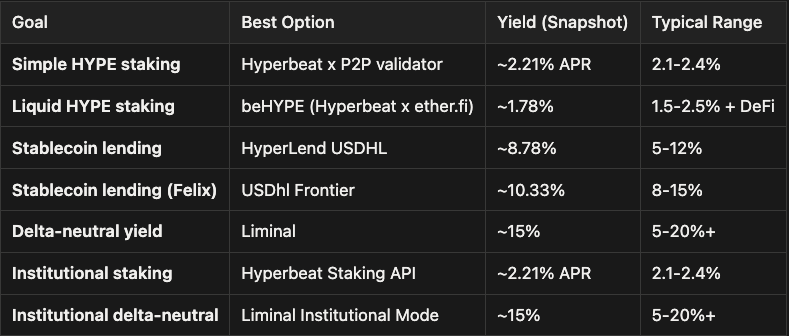
Snapshot rates as of Jan 20, 2026. Ranges reflect typical variability based on utilization and market conditions.
Hyperliquid Stablecoin Yields Comparison (Snapshot)
10. Aave: The Premier DeFi Lending Protocol
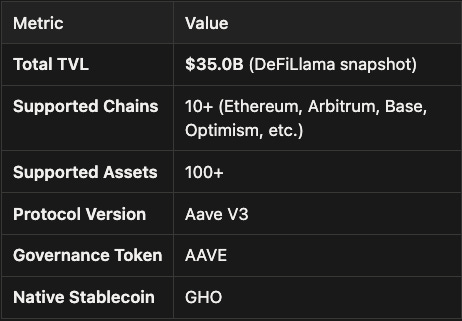
Aave is the largest and most trusted DeFi lending protocol, serving as the gold standard for decentralized lending pools.
Aave Overview
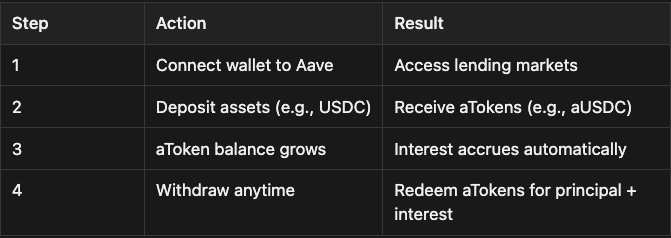
How Aave Lending Pools Work
Supply Side (Earning Yield)
Borrow Side (Accessing Liquidity)
Aave Stablecoin Markets (V3 Ethereum Snapshot)
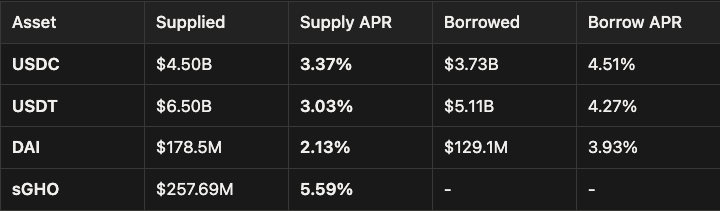
USDC/USDT/DAI are Aave V3 Ethereum lending rates. sGHO (Savings GHO) is a separate savings product—deposit GHO to receive sGHO and earn 5.59% APY with no lockups and withdraw anytime.
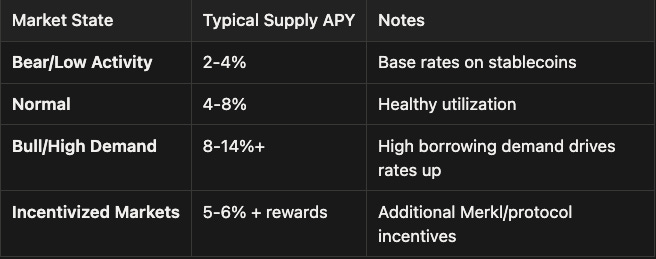
Aave Yield Ranges by Market Conditions
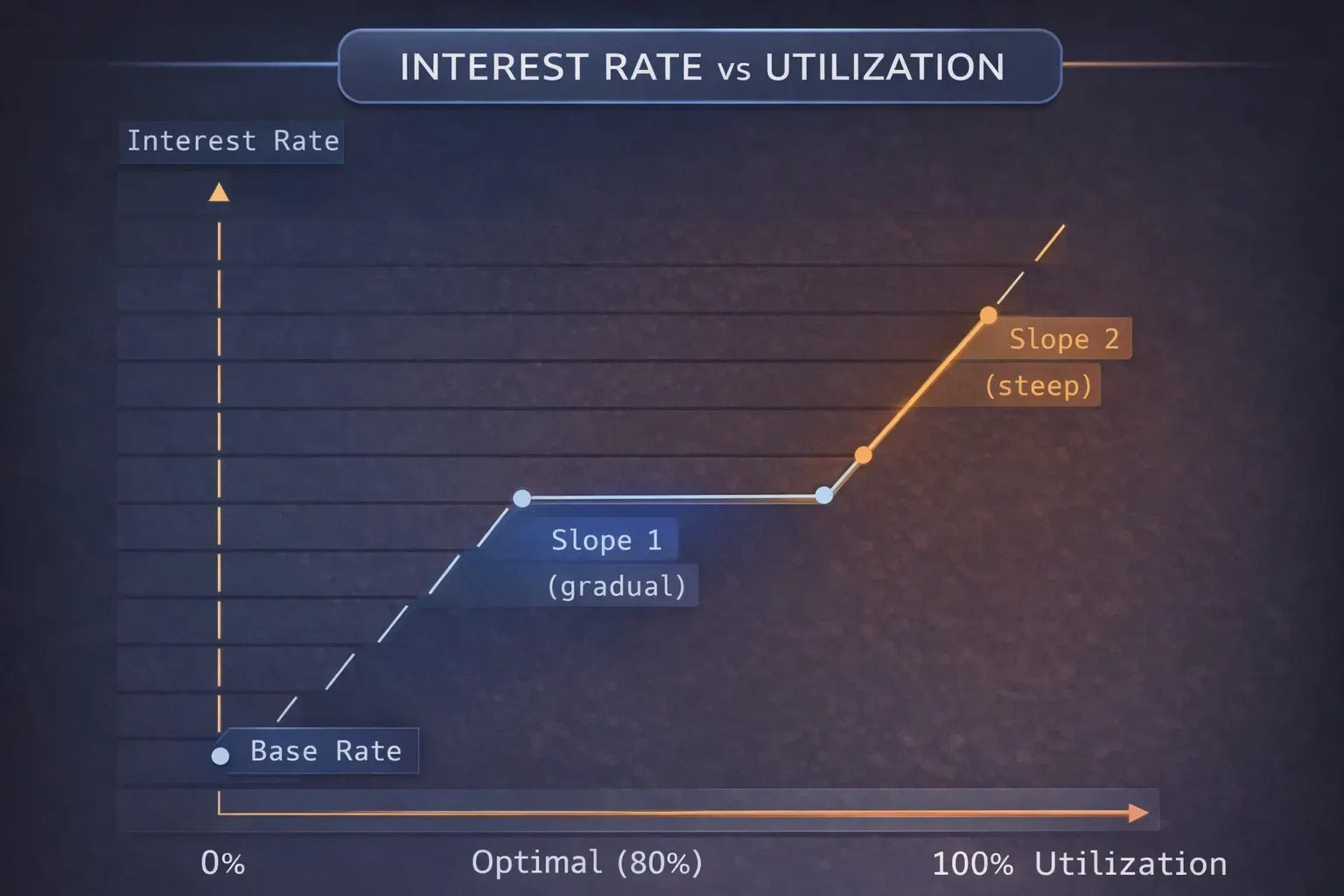
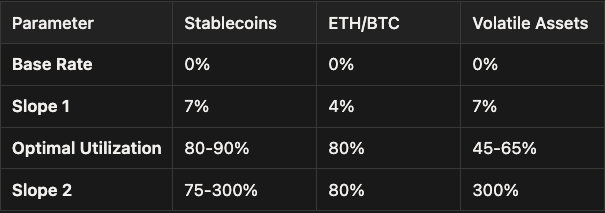
Aave Interest Rate Model Explained
Aave uses a utilization-based interest rate curve:
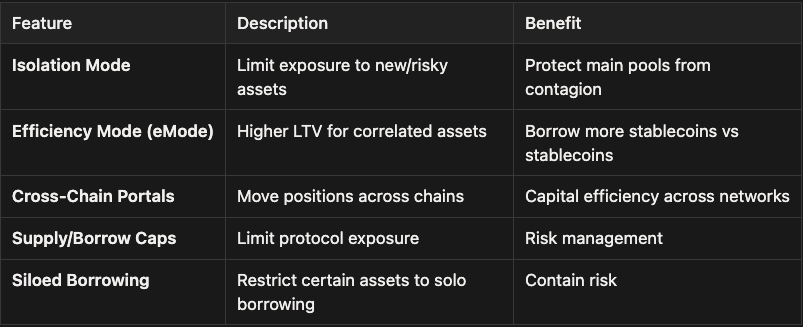
Aave V3 Key Features
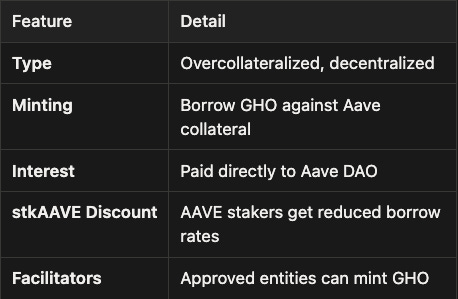
Aave GHO Stablecoin
Savings GHO (sGHO)
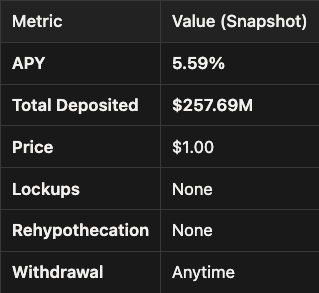
Deposit GHO into Savings GHO (sGHO) to earn yield. Simply deposit GHO, receive sGHO tokens representing your balance, and watch your savings grow earning claimable rewards from Merit.
Using Aave for Stablecoin Yields
Simple Supply Strategy:
Deposit USDC/USDT to Aave on your preferred chain
Receive aUSDC/aUSDT (yield-bearing tokens)
Watch balance grow automatically
Withdraw anytime to realize gains
Yield Optimization Strategy:
Deposit stablecoins to Aave
Use as collateral to borrow different stablecoin at lower rate
Deposit borrowed stablecoin to higher-yield opportunity
Net the spread between yields
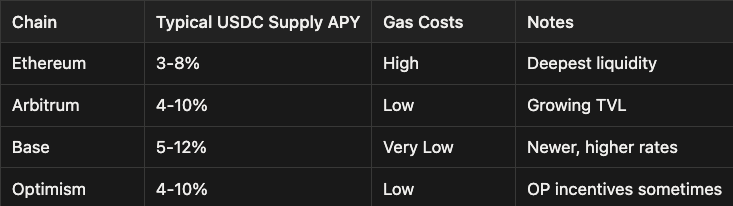
Chain Comparison for Stablecoin Yields:
CoinDesk Aave Overnight Rates (CDOR)
Institutional benchmark rates derived from Aave lending pools:
Daily overnight rates for USDC and USDT
Transforms on-chain activity into conventional benchmarks
Used by exchanges, market makers, and protocol treasuries
Foundation for future interest rate derivatives
11. Stablecoin Yields & Lending Strategies
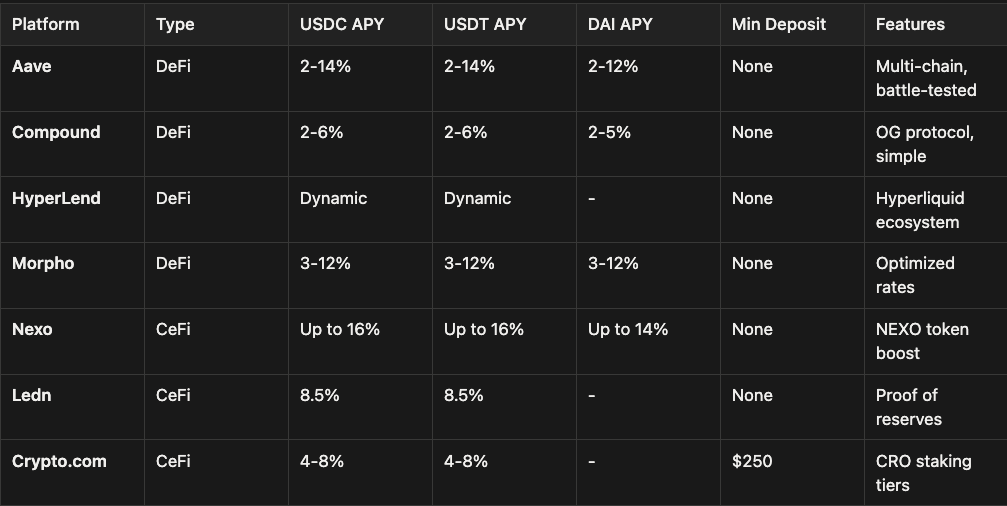
Complete Stablecoin Yield Comparison
Yield-Bearing Stablecoins
An alternative approach—stablecoins that earn yield when deposited into their savings wrappers:
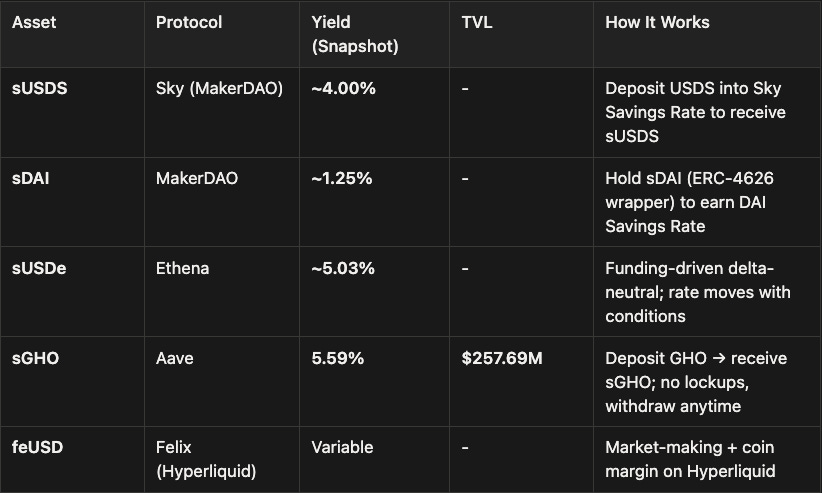
Important: You must deposit/stake into the wrapper (sUSDS, sDAI, sGHO) to earn yield—simply holding USDS, DAI, or GHO does NOT automatically earn.
Stablecoin Strategy by Risk Tolerance
Individuals
Conservative (Target: 3-5% APY)
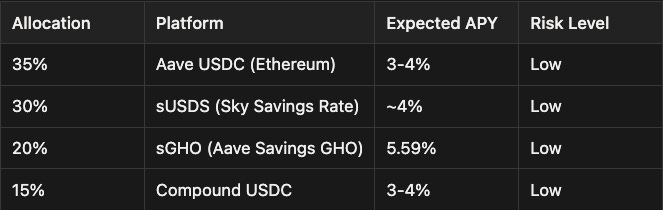
sGHO offers higher yield than other conservative options with no lockups and withdraw anytime.
Moderate (Target: 6-10% APY)
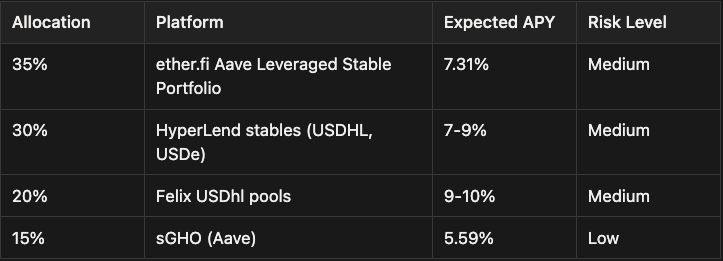
ether.fi‘s vault automates Aave leveraged looping — managed strategy with no manual rebalancing.
Aggressive (Target: 10-15% APY)
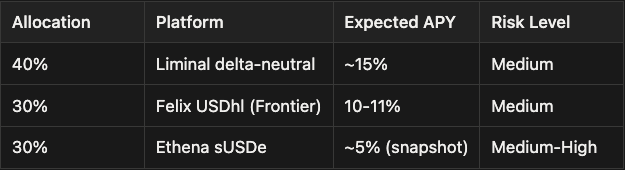
Note: sUSDe rates have compressed from prior highs; Liminal yields depend on funding rates.
Managed Vault Strategies
For users who want optimized yields without manual management, several protocols offer automated stablecoin vaults:
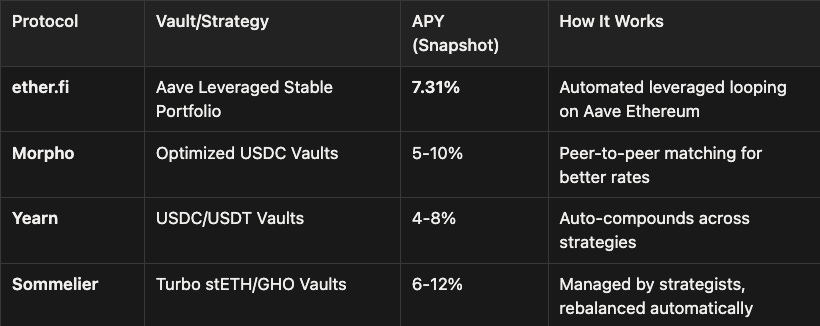
Managed vaults charge performance fees (typically 10-20%) but handle all rebalancing and optimization.
Institutional Stablecoin Strategies
For institutions requiring compliance, custody integration, and audit trails on stablecoin yield strategies.
Note: These strategies only include platforms with formal institutional access, compliance reporting, and enterprise support. Direct DeFi protocols (ether.fi, Morpho, HyperLend) are accessible to anyone but lack institutional wrappers — institutions comfortable with direct DeFi access can reference the Individual Stablecoin Strategies above.
Conservative Institutional (Target: 4-6% APY)
Best for: Treasuries, foundations, and risk-averse institutions prioritizing capital preservation.
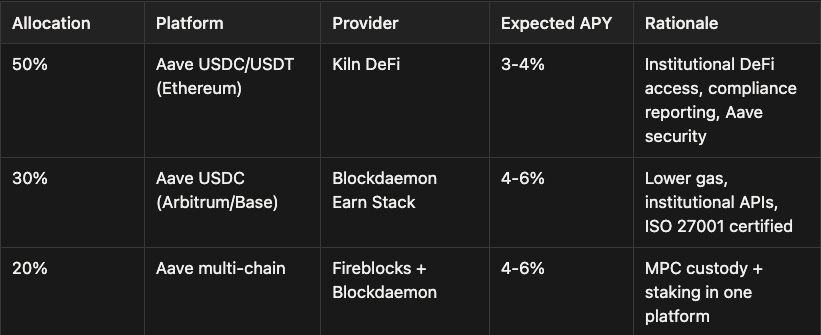
Expected blended APY: ~4-5%
Why this works: 100% allocation through institutional providers (Kiln, Blockdaemon, Fireblocks) with compliance reporting, audit trails, and enterprise support. All exposure is to battle-tested Aave protocol.
Moderate Institutional (Target: 8-12% APY)
Best for: Institutions comfortable with delta-neutral strategies and established institutional providers.
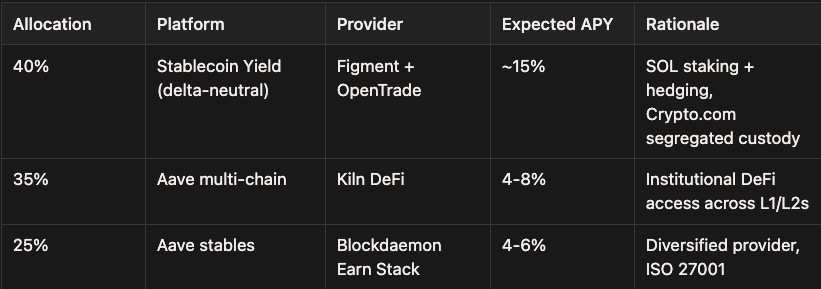
Expected blended APY: ~8-10%
Why this works: Figment’s new OpenTrade product (launched Nov 2025) provides ~15% stablecoin yield with Crypto.com custody and legal protections. Core Aave allocation through Kiln and Blockdaemon for diversification.
Aggressive Institutional (Target: 12-15% APY)
Best for: Crypto-native funds with higher risk tolerance and compliance flexibility.
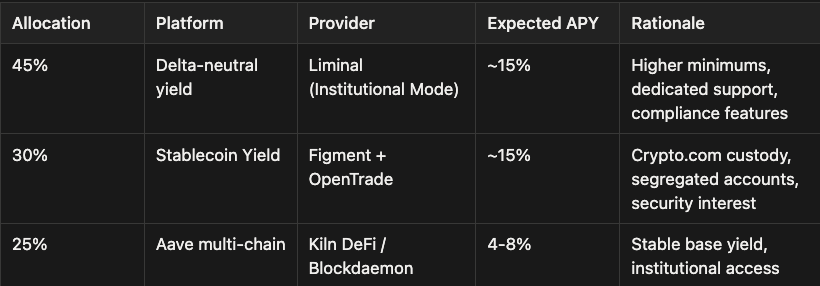
Expected blended APY: ~12-14% (varies with funding rates)
Why this works: Heavy allocation to delta-neutral strategies (Liminal, Figment/OpenTrade) which have formal institutional products. Aave allocation provides stable base and diversification.
Warning: Delta-neutral yields depend on funding rates which can compress or go negative in bear markets. Both Liminal and Figment/OpenTrade products are relatively new (2025).
What About Direct DeFi Access?
Some institutions (crypto-native funds, DAOs, protocol treasuries) are comfortable accessing DeFi directly without institutional wrappers. If your compliance allows:
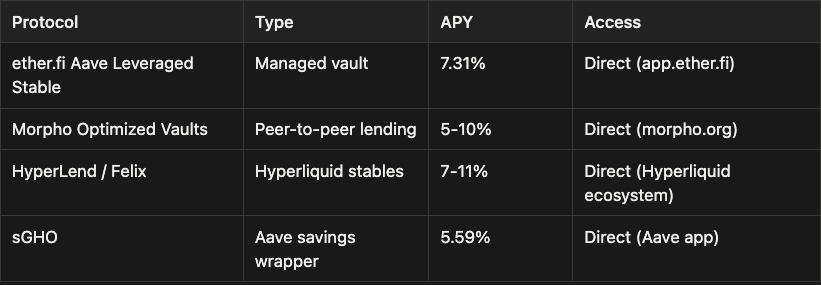
These offer higher yields but require direct smart contract interaction without institutional compliance features.
12. Institutional Staking & Lending Providers
Provider Comparison Overview
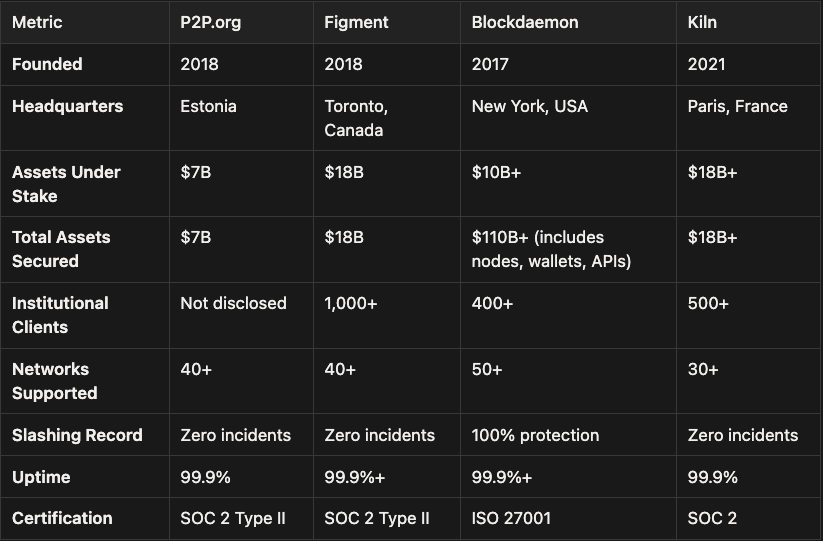
Note: “Assets Secured” for Blockdaemon includes their full infrastructure stack (nodes, MPC wallets, vaults, APIs) beyond just staking. “Assets Under Stake” is the more comparable metric across pure staking providers.
P2P.org Deep Dive
Services:
Staking-as-a-Business (SaaB) — White-label staking solutions for exchanges and platforms
Enterprise Staking API — Programmatic staking integration for custodians and fintechs
Non-Custodial Staking — Assets remain in client wallets
Validator Operations — Institutional-grade validator infrastructure
Hyperliquid Staking — HYPE staking via Hyperbeat partnership (2.21% APR)
Notable Clients & Partnerships:
AlphaTON Capital (Nasdaq: ATON)
3iQ (Canadian ETF provider)
BitGo integration
Hyperbeat (Hyperliquid validator node)
Hypio (Treasury operations)
Northstake ETH Validator Marketplace
Figment Deep Dive
Services:
Institutional Staking — Enterprise-grade validators across 40+ networks
Staking API — Programmatic staking for exchanges, custodians, wallets
Rewards Reporting — Automated tax and accounting reports
Portfolio Tracking — Real-time dashboards and CSV exports
Slashing Protection — 3 tiers of insurance coverage
Data & Analytics — Network metrics via Rated Labs acquisition (Oct 2025)
Stablecoin Yield — OpenTrade partnership (~15% APR on stablecoins)
Key Differentiators:
Largest independent non-custodial ETH and SOL staking provider
Genesis validator on both Ethereum and Solana
OFAC-compliant relay usage since inception
“Safety Over Liveness” philosophy — zero slashing incidents
Prior experience supporting staking in ETPs across Canada, Europe, and Latin America
Notable Clients & Partnerships:
Grayscale Investments (first U.S. ETH ETP staking, SOL Trust)
Coinbase Prime ($2B+ staked assets through integration)
Bit Digital ($532M+ ETH treasury)
OpenTrade & Crypto.com (15% stablecoin yield product)
Investors:
Galaxy Digital
Morgan Stanley’s Counterpoint Global
Franklin Templeton
Fidelity’s Avon Ventures
Thoma Bravo
Blockdaemon Deep Dive
Services:
Earn Stack — Complete staking + DeFi integration platform (launched June 2025)
No-Code Widget — Embed staking/DeFi in minutes with single integration
Unified SDK & APIs — Low-latency APIs for deep customization
Node Infrastructure — Enterprise blockchain nodes across 50+ protocols
MPC Wallets & Vaults — Institutional-grade custody solutions
DeFi Integration — Access to lending protocols, DEXs, AMMs
White-Label Validators — KYC-compliant validator services
Key Differentiators:
Only ISO 27001-certified independent staking provider
Full-stack infrastructure: nodes, APIs, staking, wallets, vaults (hence “$110B+ secured”)
Non-custodial by design — clients maintain full asset control
100% slashing protection with four layers of risk mitigation
Acquired expand.network (March 2025) for enhanced API capabilities
Notable Clients & Partnerships:
Fireblocks (official validator in staking marketplace, 2,000+ institutional clients)
B2C2 (strategic liquidity partnership)
Fenbushi Capital
Hashkey Capital
VerifiedX (consumer DeFi apps partnership)
Major exchanges, custodians, and crypto platforms
Kiln Deep Dive
Services:
Kiln DeFi — Institutional access to DeFi lending (Aave integration across all chains)
Staking Infrastructure — Validators across 30+ networks
Rewards Management — Automated tracking and distribution
Commission Management — Platform revenue tools
Compliance Reporting — Comprehensive audit trails
Smart Contract Monitoring — Ongoing security oversight
Key Differentiators:
Strong focus on DeFi integration for institutions (Kiln DeFi ~$500M+ TVL)
European-headquartered with EU regulatory expertise
Rapid growth: $18B+ staking milestone reached in 2025
Notable Clients & Partnerships:
Major European financial institutions
Crypto hedge funds
Protocol treasuries
13. Individual vs Institutional: Key Differences
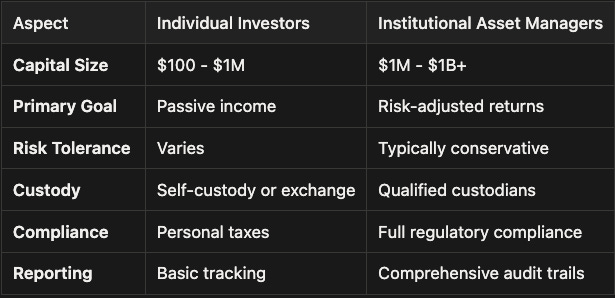
Overview Comparison
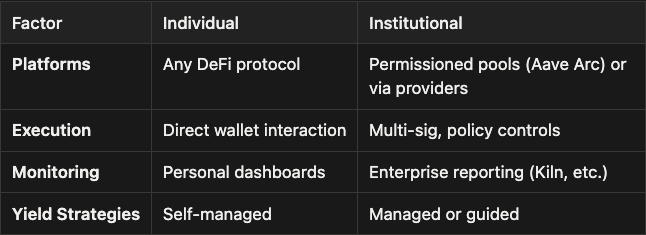
Lending Pool Access
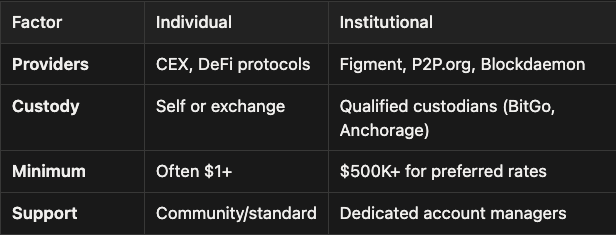
Staking Access
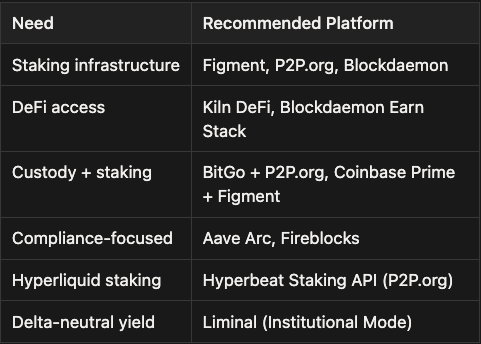
Platform Recommendations
For Individuals:
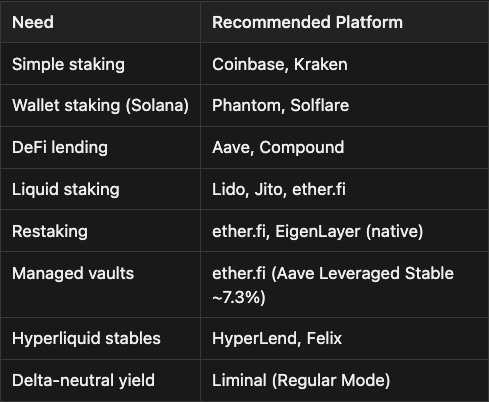
For Institutions:
14. Risk Considerations
Risk Matrix
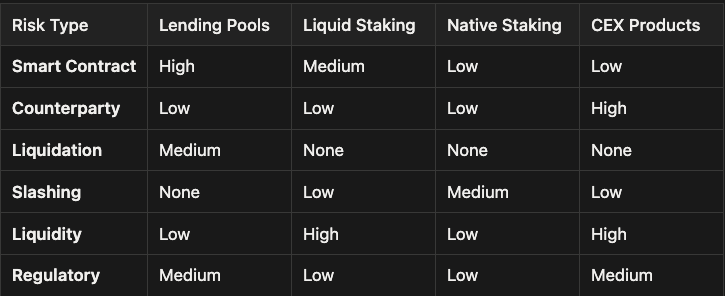
Key Risks by Strategy
Lending Pool Risks:
Smart contract vulnerabilities
Oracle manipulation
Liquidation cascades
Utilization spikes (can’t withdraw)
Staking Risks:
Slashing (validator misbehavior)
Unbonding periods (illiquidity)
Centralization concerns
Protocol changes
15. Multi-Asset Portfolio Yield Strategies
These portfolios are for investors and institutions allocating across multiple asset types (ETH, SOL, stablecoins, etc.) seeking diversified yield exposure. If you only want stablecoin yields with no crypto price exposure, see the “Stablecoin Strategy by Risk Tolerance” section above.
Individuals Multi-Asset Portfolios
Conservative Portfolio (Target: 4-6% Blended APY)
Best for: Long-term holders prioritizing capital preservation with established, battle-tested protocols.
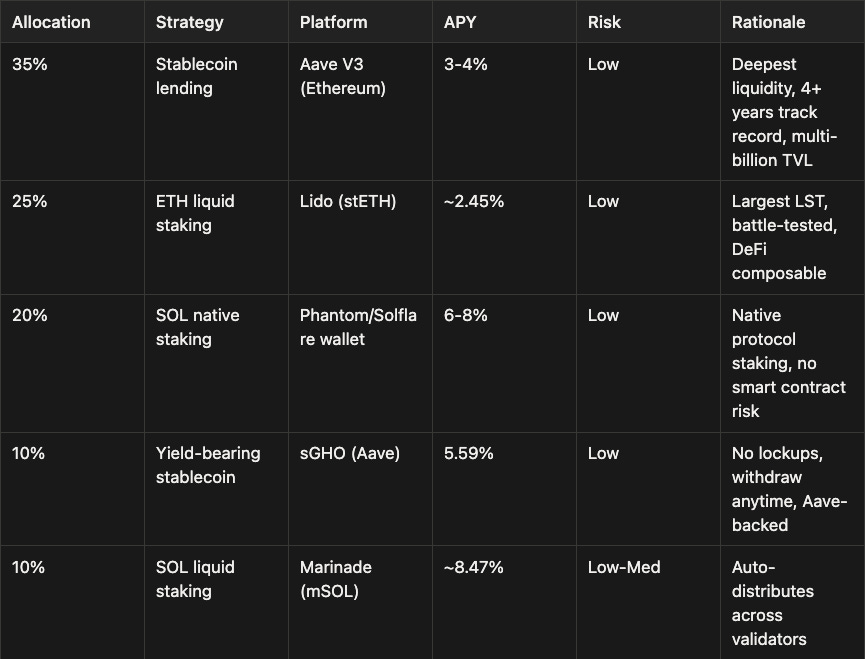
Expected blended APY: ~4.5-5.5%
Why this works: Heavy allocation to established protocols (Aave, Lido) with proven security. Native SOL staking via wallet eliminates smart contract risk. Small allocation to higher-yield options (sGHO, Marinade) boosts returns without significant risk increase.
Moderate Portfolio (Target: 6-9% Blended APY)
Best for: Investors comfortable with newer protocols seeking higher yields with measured risk.
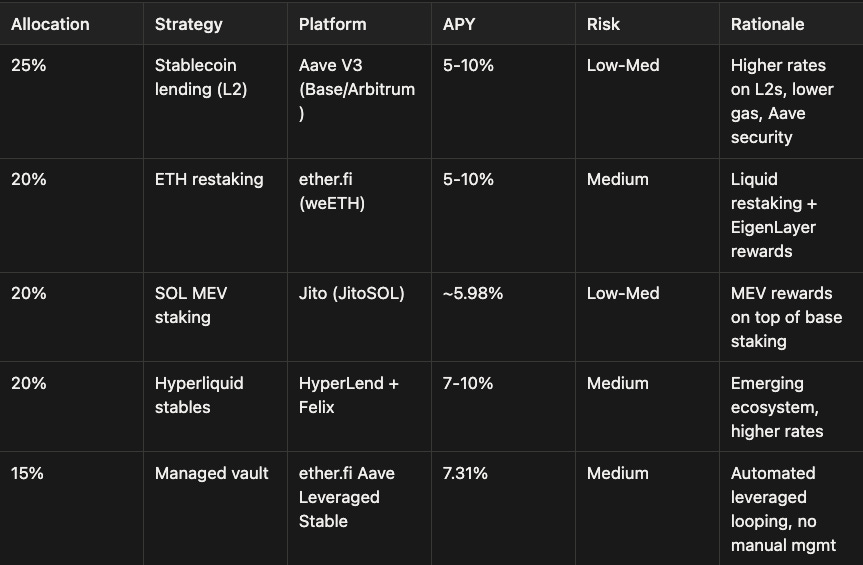
Expected blended APY: ~6.5-8.5%
Why this works: Diversified across 4 ecosystems (Ethereum, L2s, Solana, Hyperliquid). Mix of established (Aave, Jito) and emerging (HyperLend, ether.fi vaults) protocols. Restaking adds yield layer without excessive complexity.
Aggressive Portfolio (Target: 10-15% Blended APY)
Best for: Risk-tolerant investors comfortable with newer protocols, leverage, and funding rate exposure.
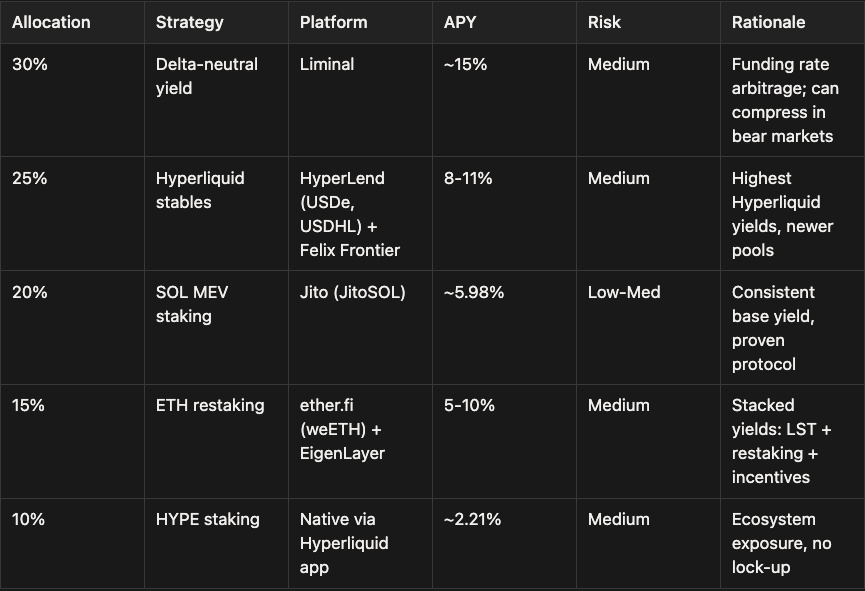
Expected blended APY: ~9-13% (varies significantly with market conditions)
Why this works: Liminal’s delta-neutral strategy provides outsized returns when funding rates are positive. Hyperliquid allocation captures high yields in emerging ecosystem. Jito provides stable base yield. Restaking adds upside. HYPE staking gives ecosystem exposure with instant unstaking.
Warning: Aggressive portfolios can underperform in bear markets. Liminal yields depend on funding rates (can go negative). Newer protocols carry higher smart contract risk. Only allocate capital you can afford to lose.
Institutional Multi-Asset Portfolios
Conservative Institutional (Target: 4-6% Blended APY)
Best for: Institutions requiring compliance, custody integration, and proven infrastructure.
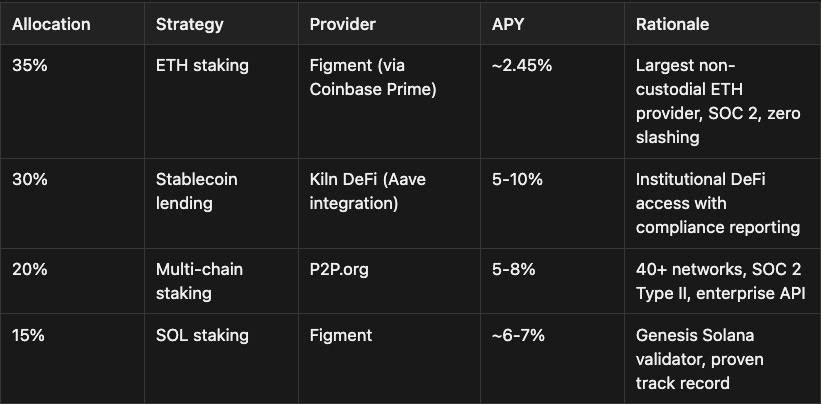
Expected blended APY: ~4.5-6%
Why this works: 100% allocation through battle-tested institutional providers (Figment, P2P.org, Kiln) with SOC 2 certifications and zero slashing history. Coinbase Prime custody integration keeps assets secure while earning staking rewards. Diversified across ETH, SOL, and stablecoins for balanced risk. All providers offer enterprise APIs, compliance reporting, and audit trails required by traditional institutions.
Moderate Institutional (Target: 7-10% Blended APY)
Best for: Institutions seeking enhanced yields with emerging ecosystem exposure.
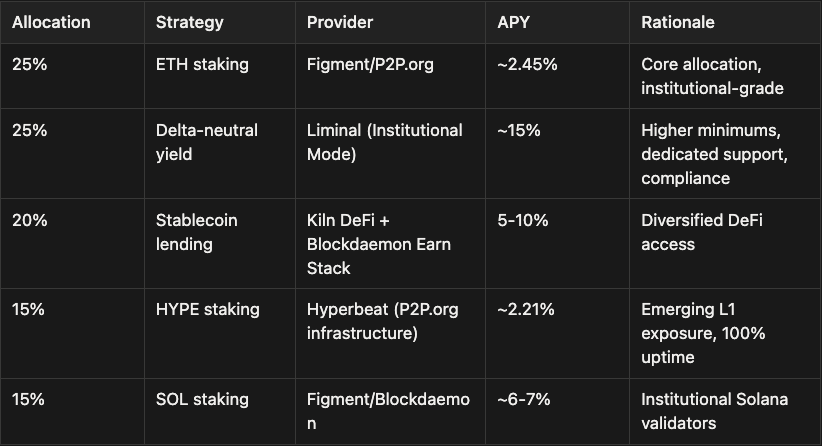
Expected blended APY: ~7-9%
Why this works: Liminal’s Institutional Mode provides the yield boost (targeting ~15%) while maintaining compliance and dedicated support. Core ETH/SOL staking through Figment and P2P.org provides stable, proven returns. Hyperliquid exposure via Hyperbeat (backed by P2P.org infrastructure) adds emerging ecosystem upside without sacrificing institutional standards. Provider diversification (Figment, P2P.org, Kiln, Blockdaemon) reduces single-provider risk.
Aggressive Institutional (Target: 10-14% Blended APY)
Best for: Crypto-native funds and institutions with higher risk tolerance seeking enhanced yields.
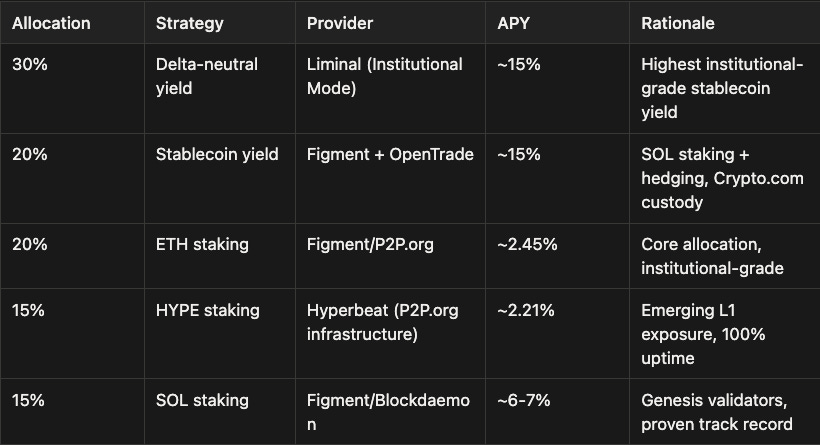
Expected blended APY: ~10-12% (varies with funding rates)
Why this works: Heavy allocation to delta-neutral strategies (Liminal, Figment/OpenTrade) drives higher yields while maintaining institutional compliance. Core ETH/SOL staking through proven providers adds stability. HYPE staking provides emerging ecosystem exposure through institutional-grade Hyperbeat infrastructure.
Warning: Delta-neutral yields depend on funding rates which can compress or go negative in bear markets. This portfolio has higher concentration in newer products (Liminal, OpenTrade launched 2025).
Due Diligence Checklist
[ ] Verify smart contract audits
[ ] Check provider track record (slashing history)
[ ] Understand fee structures
[ ] Know unbonding/withdrawal periods
[ ] Review insurance/coverage
[ ] Assess regulatory compliance
[ ] Understand tax implications
Contact & Consultation
Ready to optimize your yield strategy?
Whether you’re an individual seeking to maximize returns across lending and staking, or an institution requiring solutions, guidance can help navigate this complex landscape.
Disclaimer: This guide is for educational purposes only and does not constitute financial advice. Cryptocurrency lending and staking involve significant risks including potential loss of principal. Always conduct your own research and consult with qualified professionals before making investment decisions.
Last Updated: January 20, 2026 (rates/TVL are point-in-time snapshots; verify current rates before acting).
Love,
CookieMonster